

This collection is an exploration of place, memory, nature and the traces people leave behind. The photographs move between two very different subjects: the natural environment and human-made spaces. Shooting everything in black and white brings them together and gives the collection a nostalgic, almost archival quality.
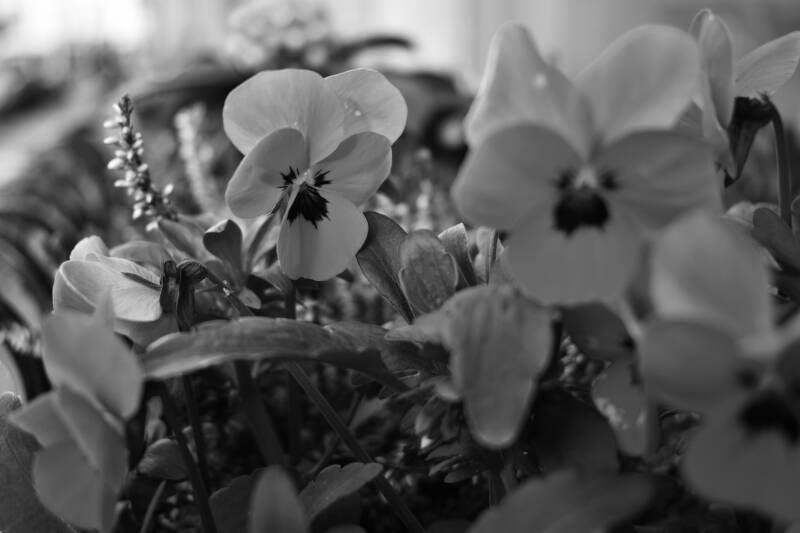
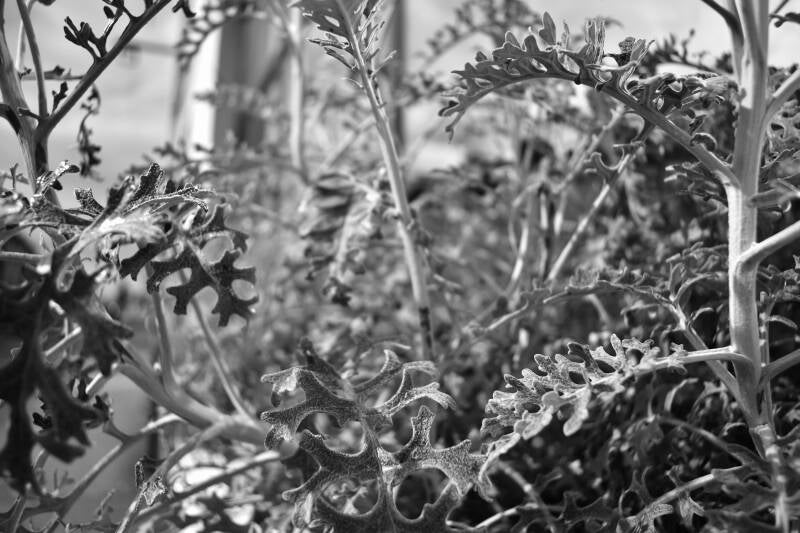
The first and largest section focuses on flowers, branches, trees and foliage. The later photographs shift towards buildings, shops, streets and objects associated with everyday life. Rather than being completely separate subjects, they can be read as two sides of the same environment: the natural world and the world we have built within it.
The collection is about memory. It's designed to feel like fragments of places that someone remembers, and not necessarily dramatic famous landmarks. Just pieces of the world that existed at one particular point in time.
The flowers represent memories that are alive and vivid; the bare trees, older memories; the buildings, memories attached to places.
Black and white makes the entire collection feel like looking through an old photo album.
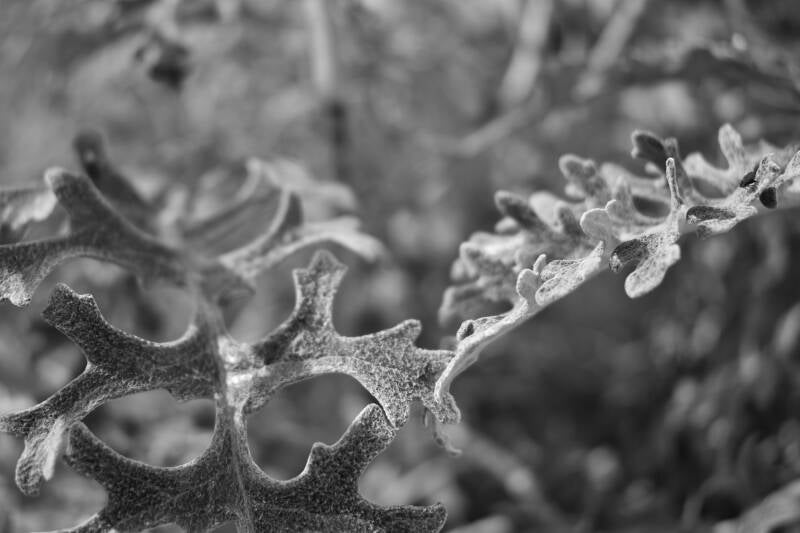
I felt the choice to shoot the collection in black and white was essential rather than purely aesthetic. Colour would make the flowers immediately recognisable as colourful, beautiful subjects. Removing colour makes the photographs more about: texture, contrast, shape, shadow and atmosphere.
It also gives the photographs a timeless quality. That makes the collection feel almost like a collection of memories rather than a straightforward record of a particular day.
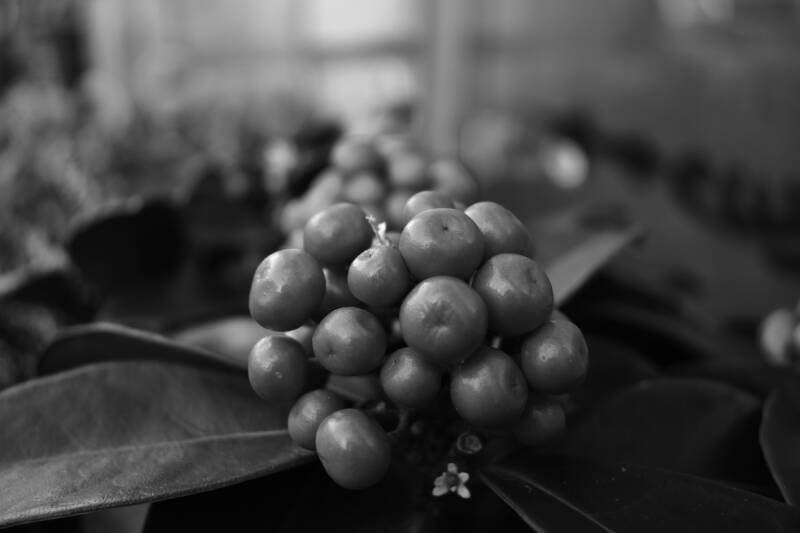
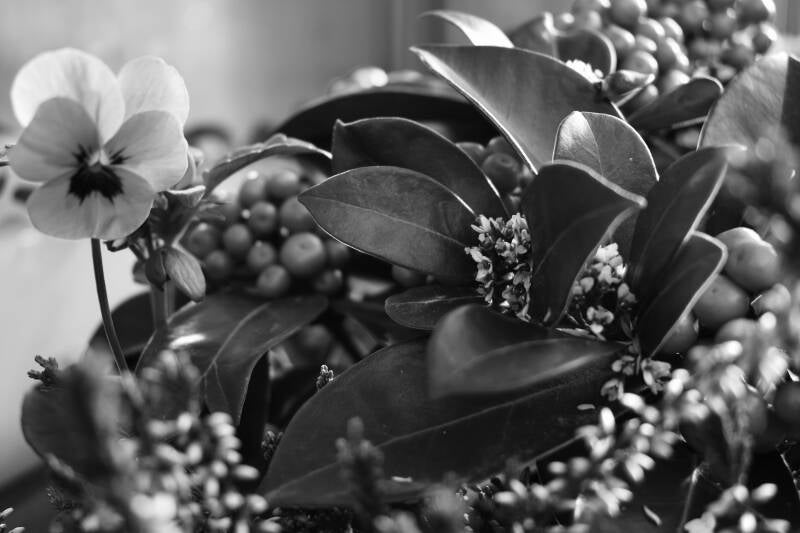

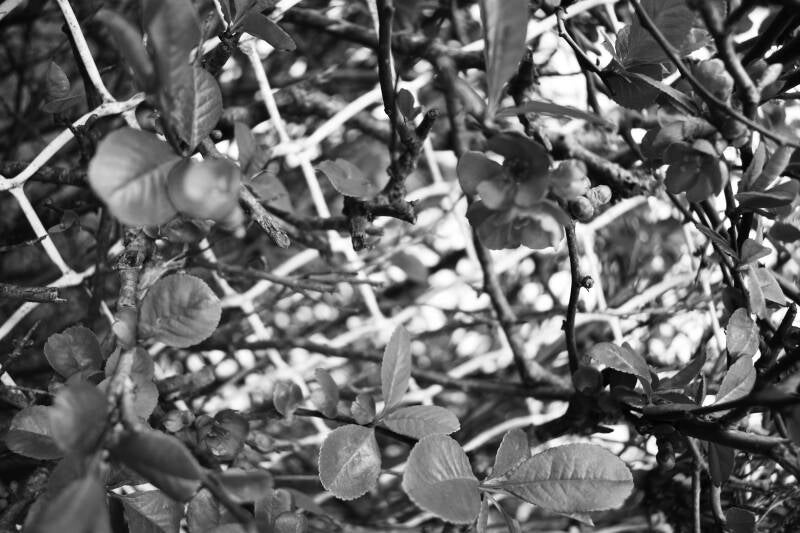
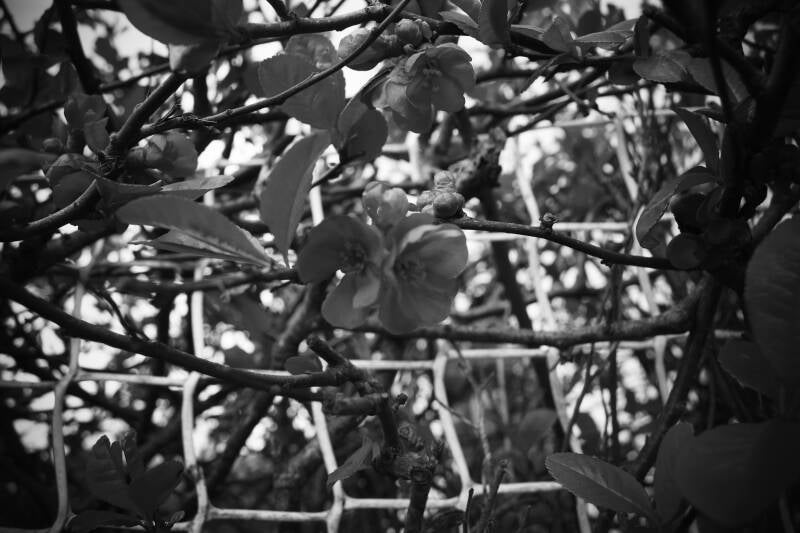
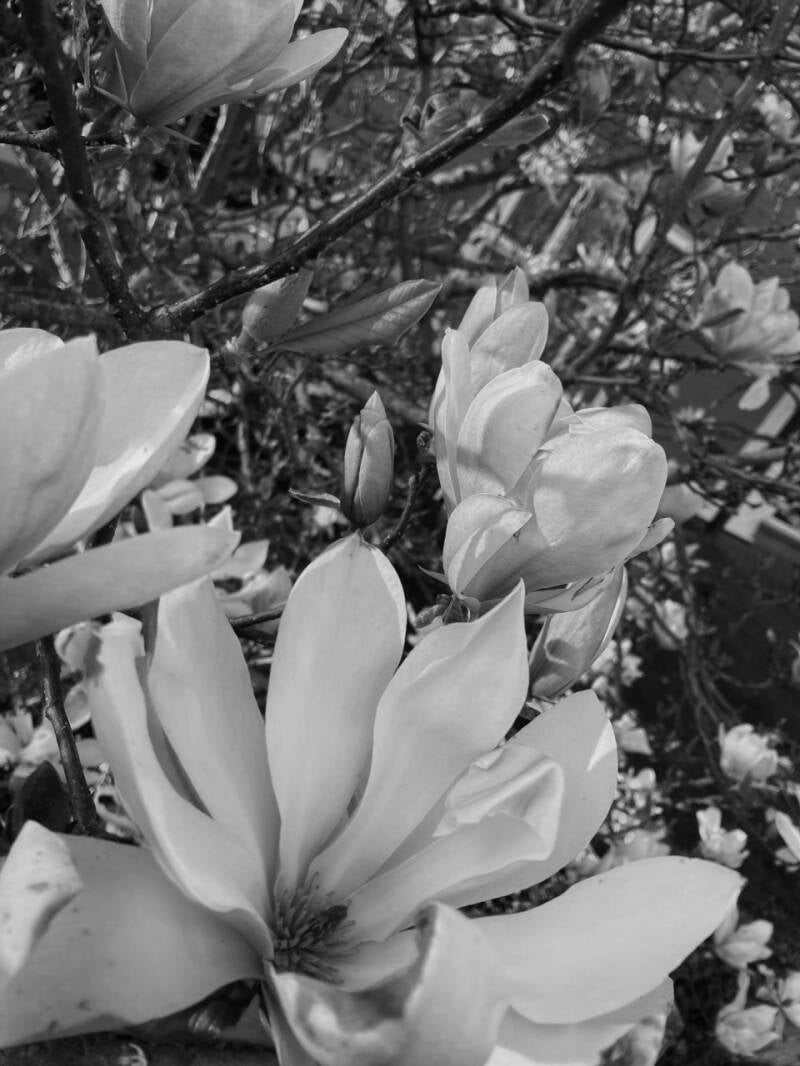
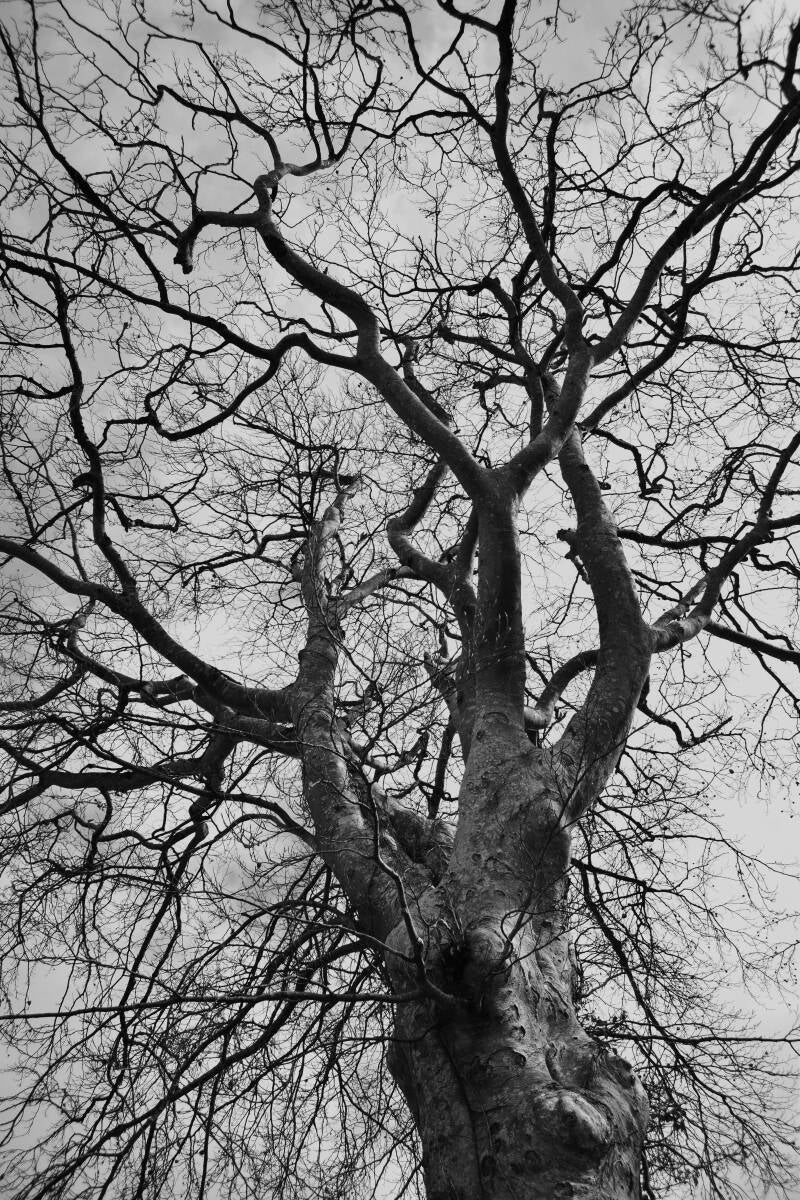
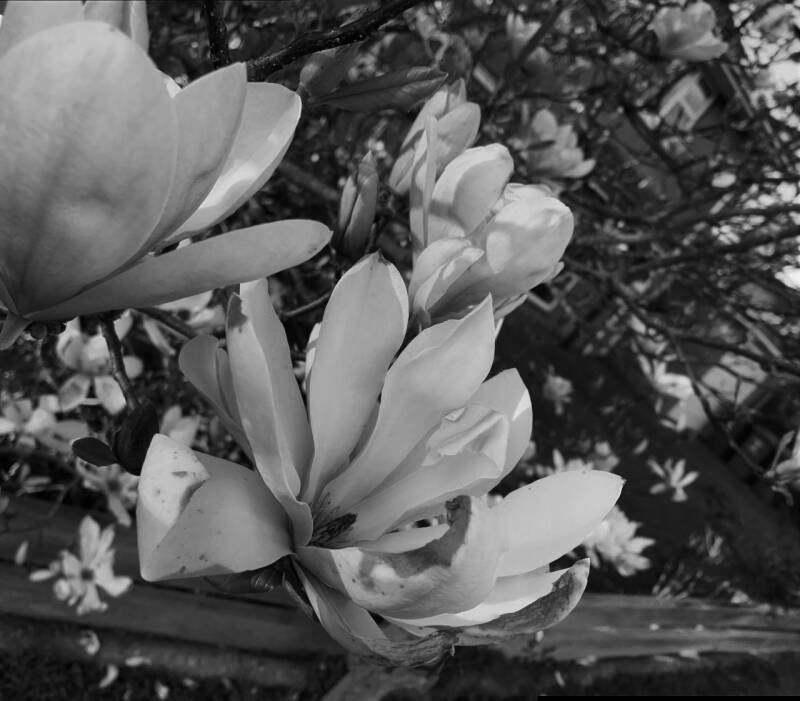

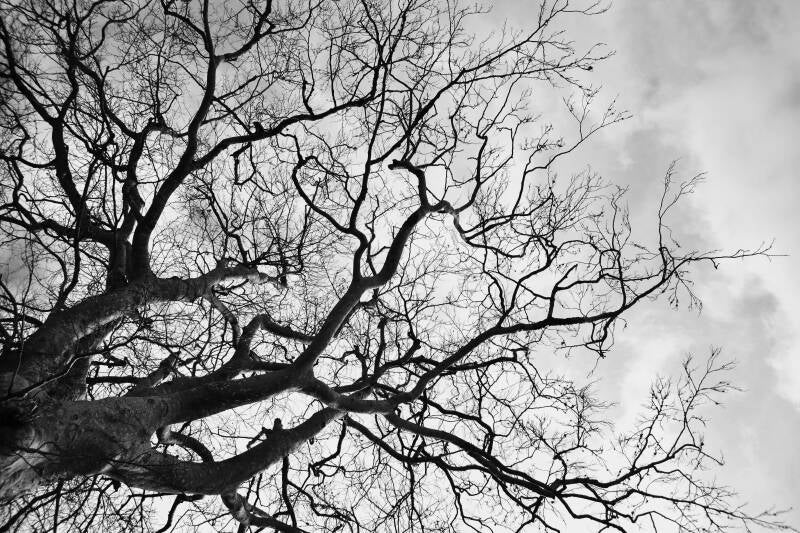
The flowers are meant to represent life, growth and renewal, while the bare trees and twisting branches suggest age, decay and the passing of time.
By putting these images together, it means the collection isn’t just about nature being beautiful. It’s about nature existing in cycles. Something grows. Something withers. Something else grows in its place.
The black-and-white treatment strengthens this idea because it removes the obvious colour associated with flowers. Instead, you’re forced to look at their shape, texture, light and structure.
The tree photographs feel almost completely different from the flowers. While the flowers are intimate and delicate, the trees are large, chaotic and almost architectural.
The twisting branches create patterns that resemble veins, roads or even human networks. They also create a sense of age.
A photograph of a large tree can make the human subject feel insignificant — the tree has potentially existed for decades while people and places around it have changed.
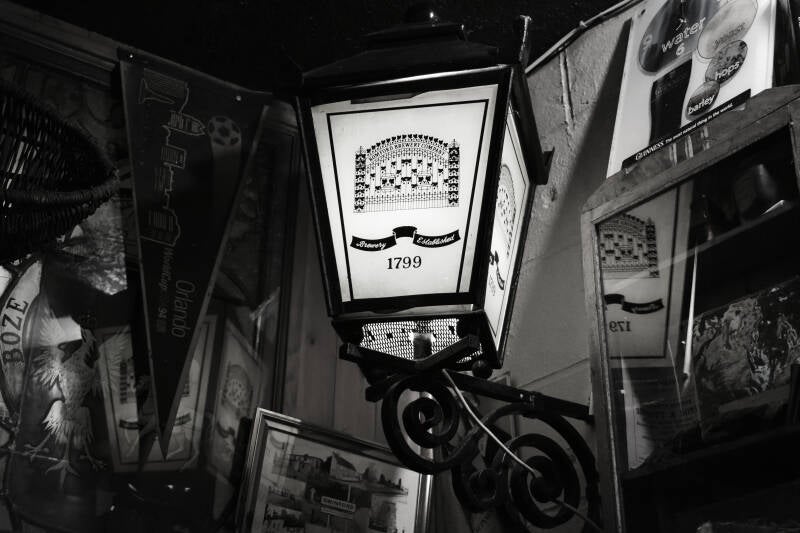
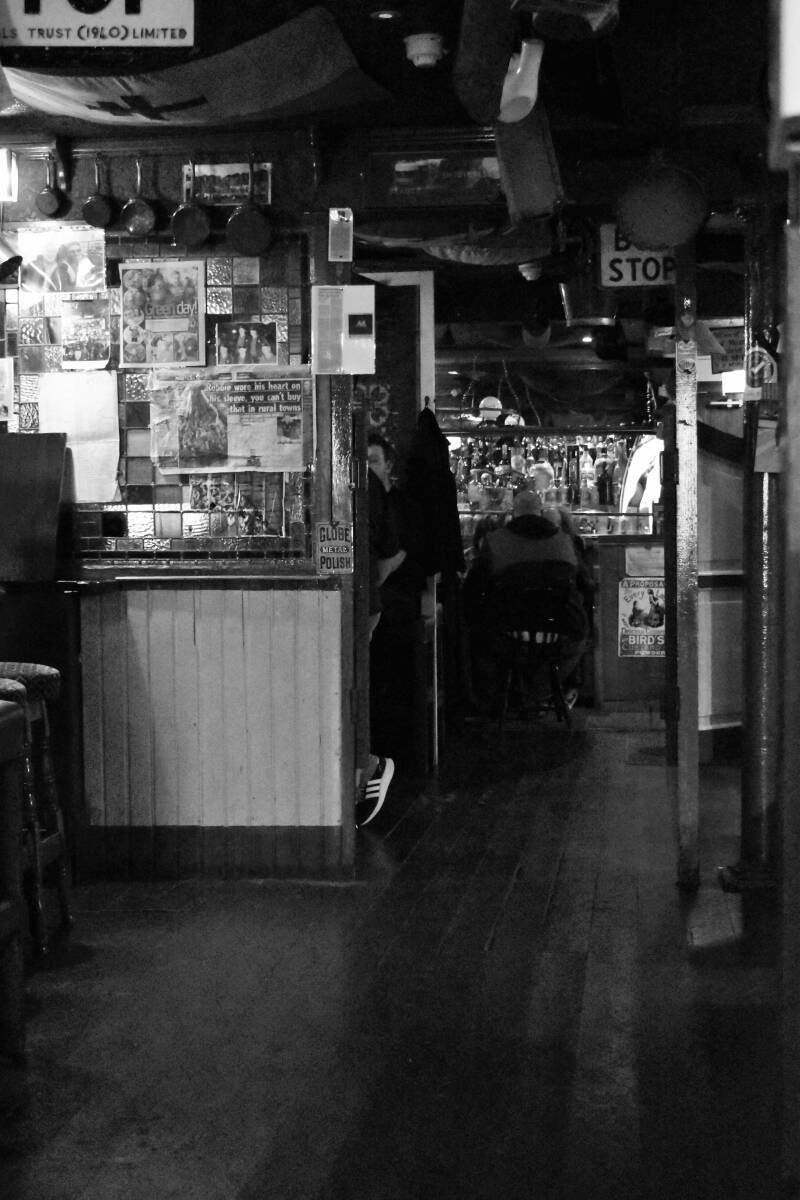
The shift from foliage to photographs of buildings and streets is arguably the most conceptually interesting part of the collection.
It’s almost as though the camera is gradually moving from the natural world into the human world. And that creates the possibility of reading the entire collection as an exploration of environment.
We don’t exist separately from nature. We build our lives within it.


Add comment
Comments