

This collection feels much darker and more deliberately confrontational than previous collections. It uses the human body, mannequins, animal symbolism and constructed faces to explore the ways women have historically been objectified, controlled, categorised and reduced to something less than fully human.
At its heart, I interpret this collection as being about the dehumanisation of women.
Critique of hard core pornography and an evergroing cultural obsession with sex and violence. They waver between seduction and repulsion, sadistic and fetishistic. Accentuating features most conducive to the male gaze.
Highlighting birth the social discomfort with overt sexuality and the objectifing nature of pornography, therefore extending as a protest against liberal 'political correctness' and conservitive censorship.
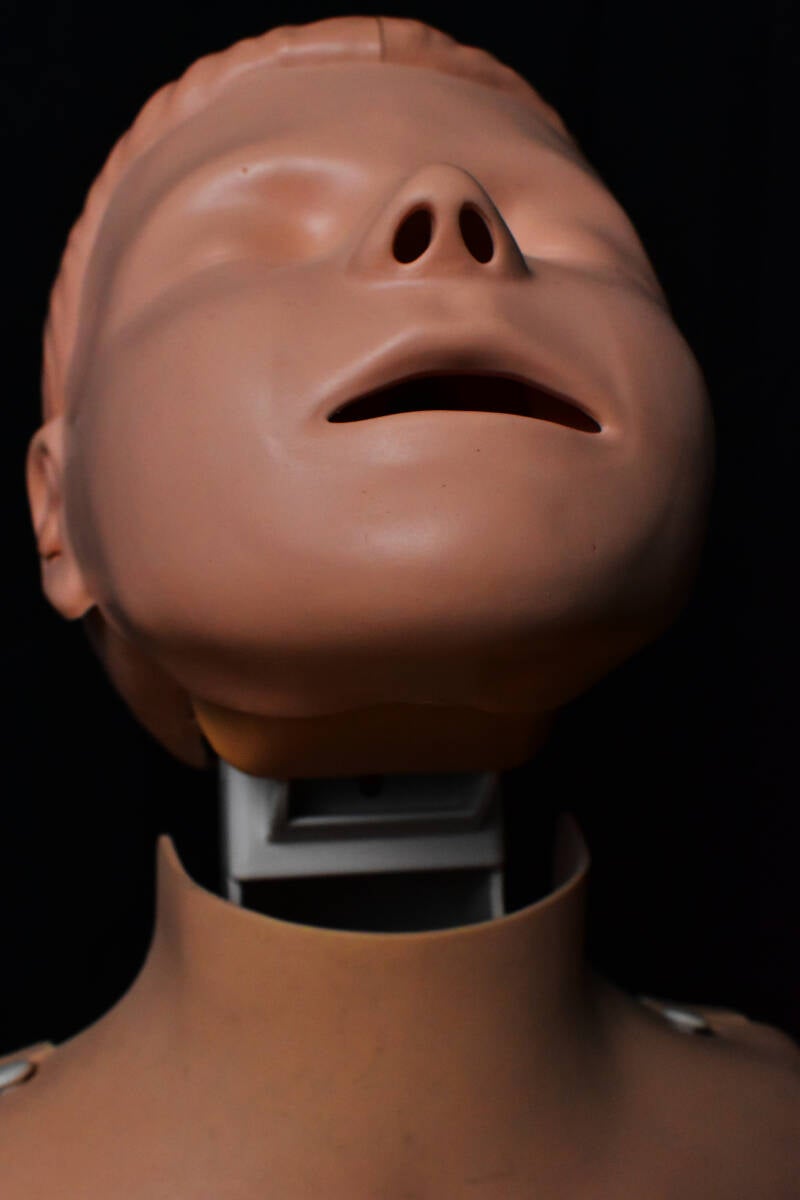
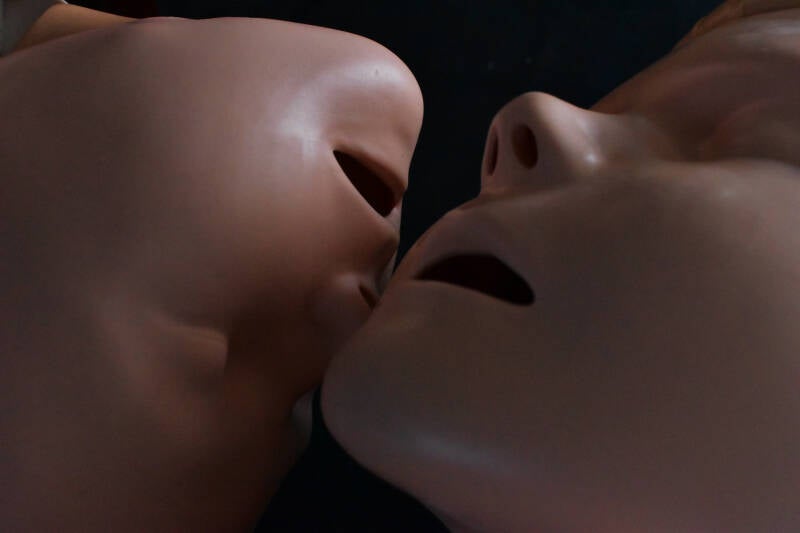
The mannequin heads are particularly important because mannequins are designed to display bodies. They have faces, but no individual identity. They exist to be looked at.
By photographing these artificial bodies in intimate positions, I wanted to create an uncomfortable contrast between something that appears human and something that is completely lifeless.
The photographs then transition towards a real woman’s face being altered to resemble an animal. This creates a question: What happens when a woman is no longer seen as a person, but as an object, a possession, or an animal?
Their blank expressions and artificial skin immediately make them feel human but not human. They don’t have individuality. They can’t speak. They can’t react. They simply exist to be viewed. That makes them an effective representation of objectification.
The photographs showing the mannequins close together and apparently kissing introduce intimacy, but something is unsettling about it. The intimacy isn’t between two people. It is between objects.
This could represent the way women’s bodies can become separated from their personalities and treated as things for desire rather than as individuals with their own agency.
And because the mannequin has no actual voice, the open mouth becomes almost ironic. It looks as though it could speak—but it never can.
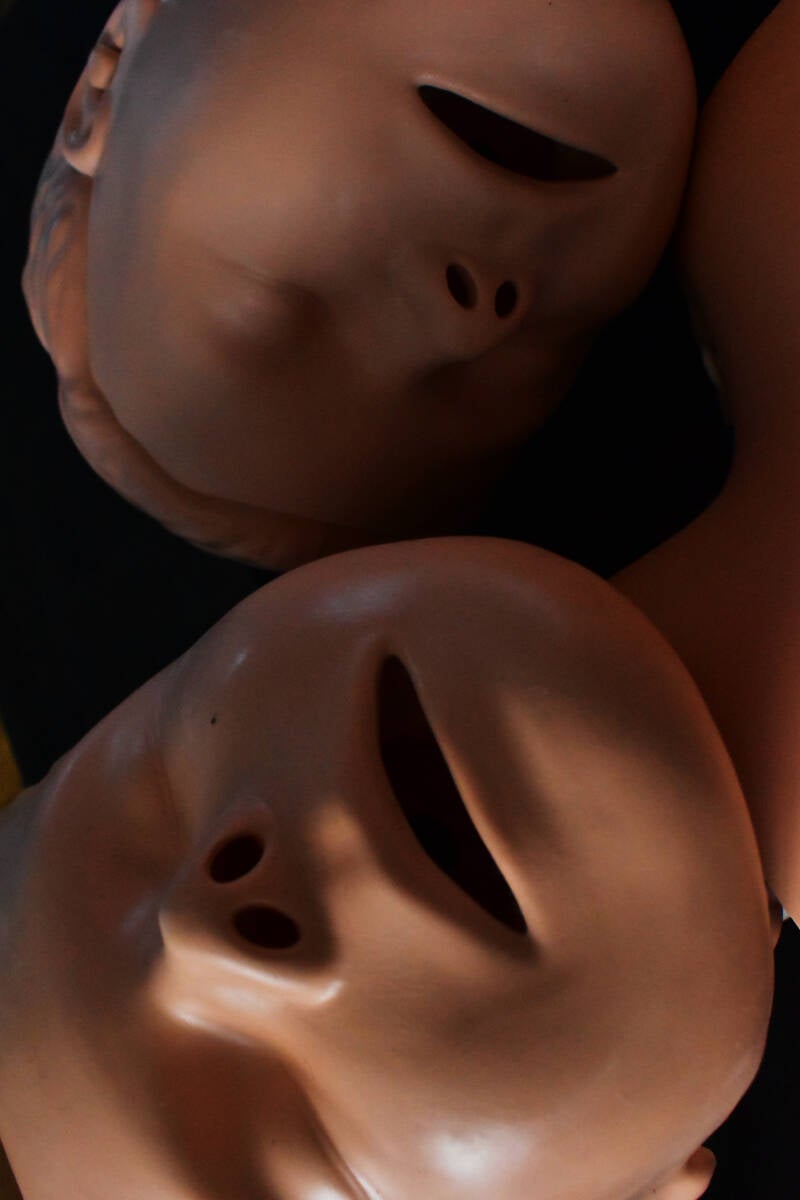

The transition from the plastic mannequin heads to the photographs of the real woman is extremely important. At first, we are looking at artificial women. Then we are suddenly looking at a real woman. But her face has been transformed.
This creates the impression that the objectification represented by the mannequins has been transferred onto the human subject. The real person is no longer allowed to simply appear as herself. Her identity is being replaced by something imposed upon her.
The animal-inspired makeup is perhaps the most direct symbol in this collection. The woman has features painted around her nose and mouth, making her resemble an animal. The animal imagery therefore isn’t simply about making the photographs look unusual. It is about how women have historically been categorised through animalistic comparisons.
The fabric surrounding the woman’s head adds another layer. It frames her face almost like a portrait, but it also restricts the visible body. Only the face remains. This returns to the mannequin imagery.
Once again, the viewer is presented with a head as an object of observation. The repeated framing also creates a sense of uniformity. The woman becomes one of a series rather than an individual.

"Women are still cats and birds. Or at the best, cows."
-- 'Thus Spoke Zarathusta' by Friedrich Nietzsche

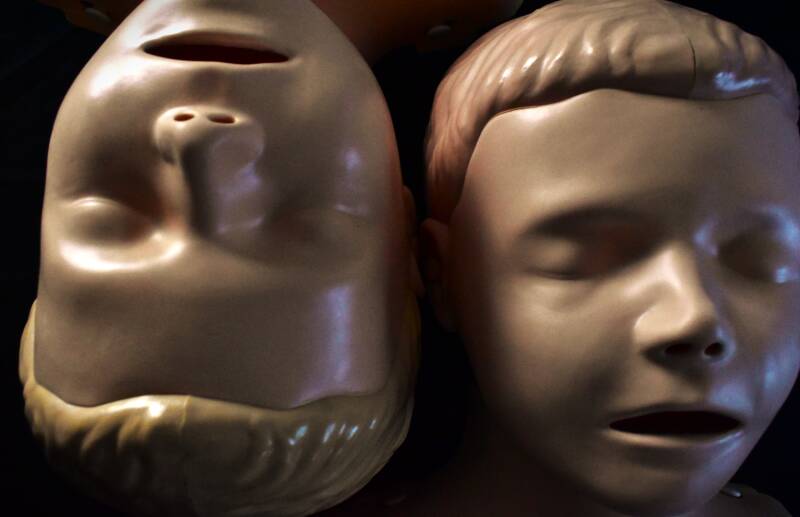
One of the strongest images is that of the mannequin whose head appears to be separated from the body.
This immediately communicates disconnection.
The head represents thought, identity, and individuality. The body represents physicality and appearance. Separating the two can therefore suggest the way society can separate a woman’s body from the person who inhabits it.
The body becomes something to be judged independently of the individual. It also reinforces the mannequin metaphor: this isn’t a person with a body. It is a body designed to be looked at.
However, the close-up images of the mannequins create an almost romantic visual language. There are faces close together. Mouths almost touching. Bodies positioned intimately - sexually.
But because we know they are mannequins, the images become strangely cold. This could be interpreted as a commentary on the commodification of intimacy and sexuality. Something that should involve emotion, connection, and consent has been reduced to a visual arrangement of bodies.
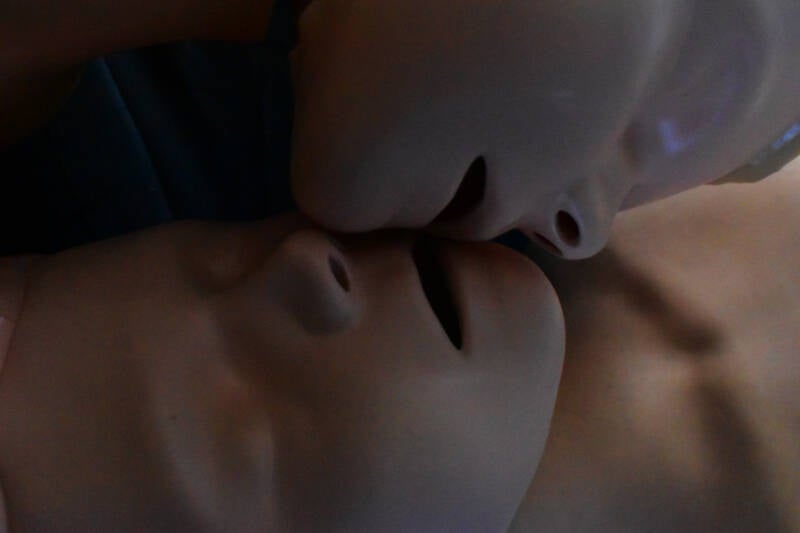

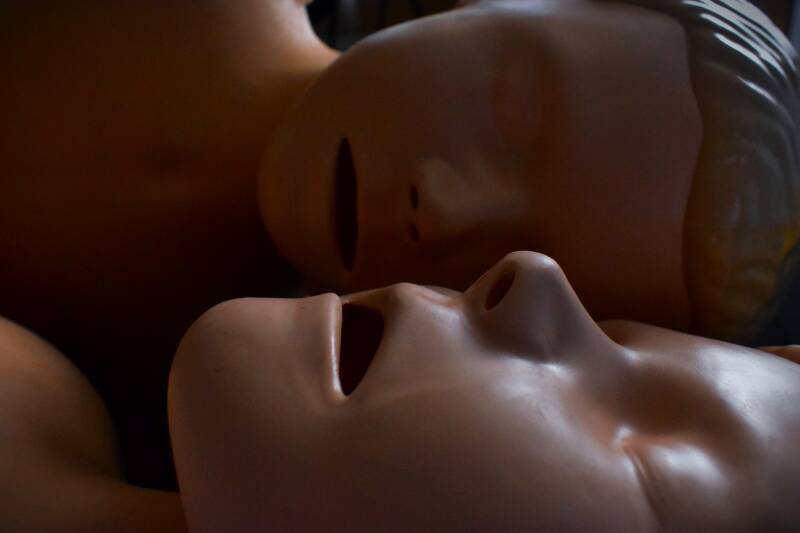
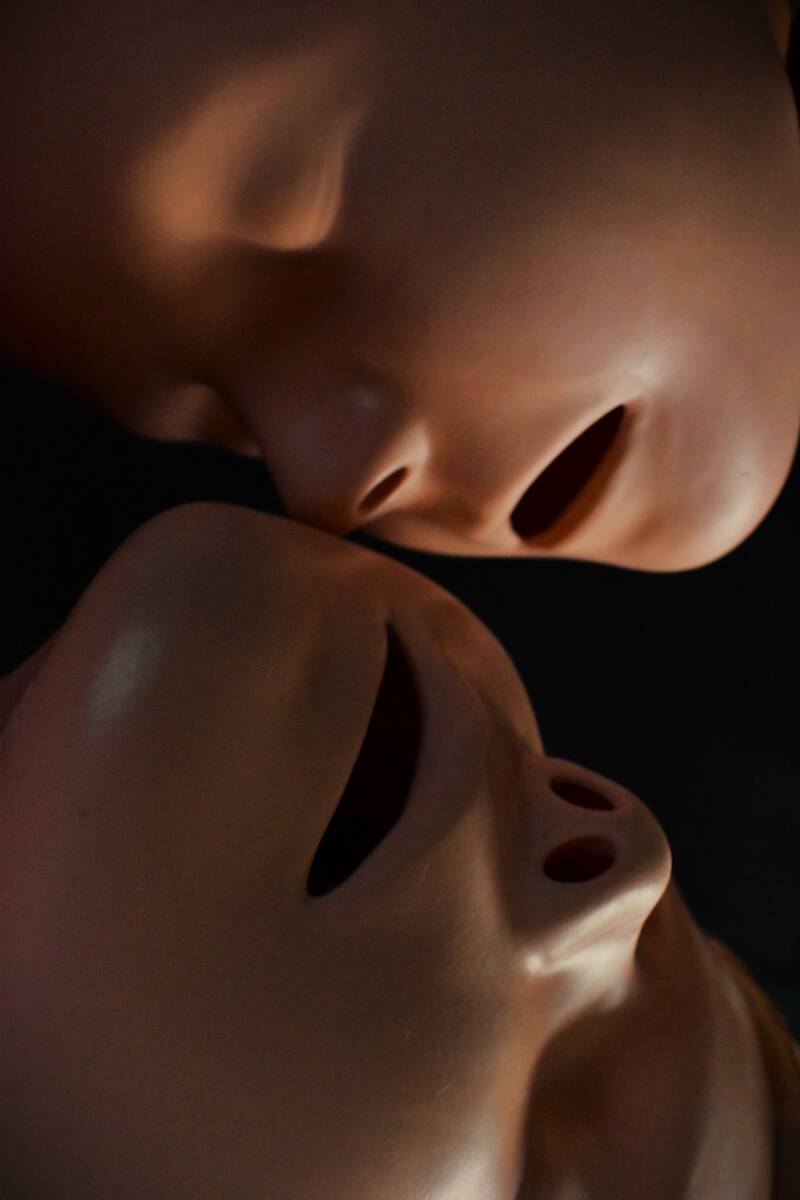
The below photos explore how animals and women are objectified in similar ways: from mass media fantasy images of impossibly poportioned women and happy cartoon cows and chickens, to the animal names and insults directed towards women.
Women are called foxes, bitches, birds and lambs - domestic and game animals. If men are compared to animals at all, they're wolves, bears and stallions (symbols of strength and power).
The photos are based on the derogatory terms that women hear everyday.


The final series takes this concept even further by using cow-like markings across the woman’s face. The cow is particularly interesting symbolically because it has contradictory associations.
That makes the cow an extremely powerful symbol for a project about women’s roles; A cow is often valued according to what it provides.
Likewise, women have historically been judged according to what they provide: children, food, care, sex, emotional labour, domestic work.
Typically, the symbolic meaning of cows refers to: fertility, motherhood, sacrifice, nourishment, generosity, innocence, and purity.
However, to call someone (particularly a woman) a 'cow ' is to call someone fat, stupid, or lazy. A beastly woman or even women who are frequently pregnant.
The imagery therefore potentially connects animal ownership with human objectification. The woman becomes something that is valued for its function rather than its individuality.
The quotation gives the collection a much clearer political and feminist context.
Rather than allowing the audience to interpret the photographs solely as surrealism, the text tells us that the animal imagery is connected to a wider history of how women have been perceived and described.
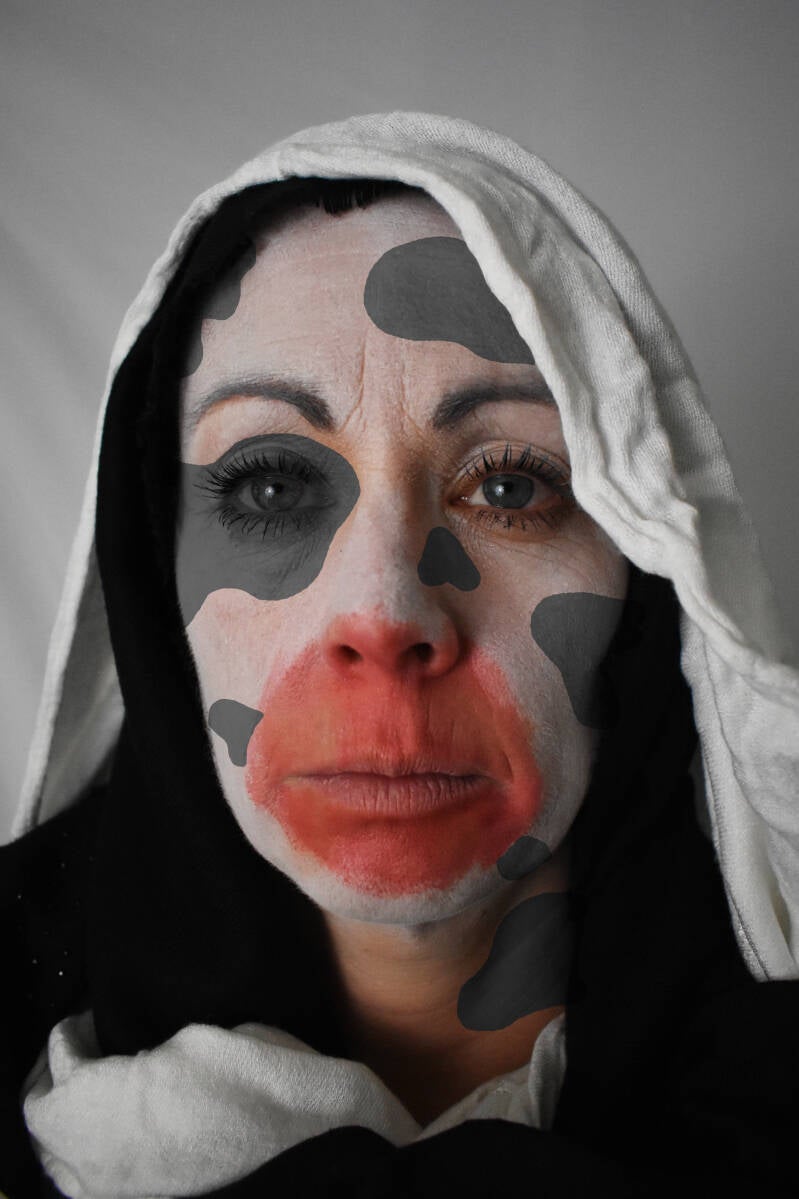
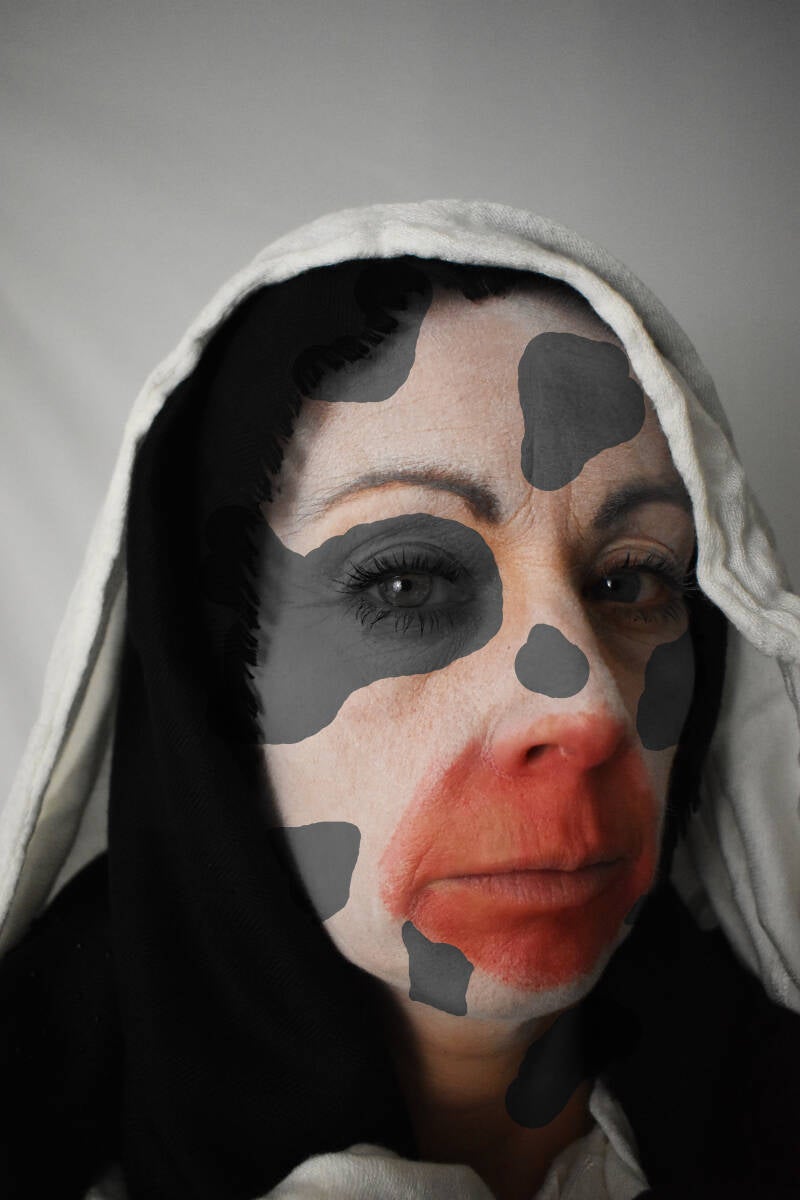
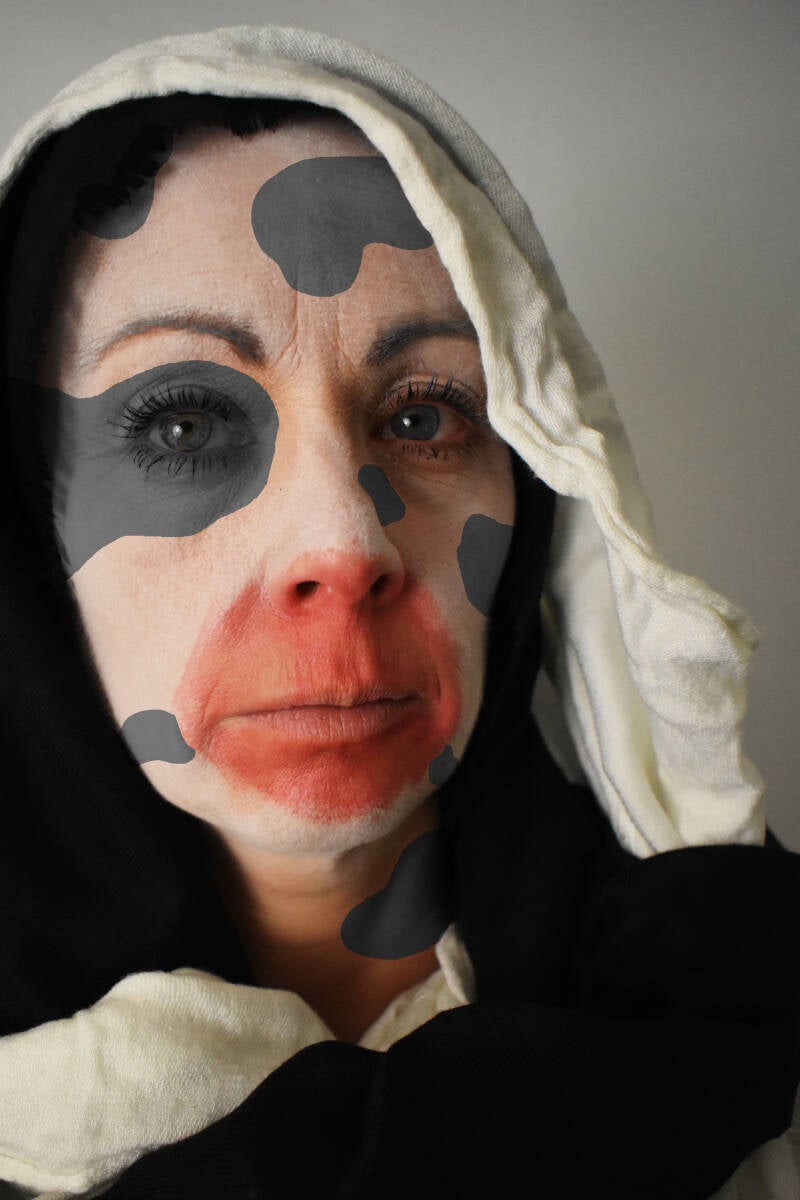
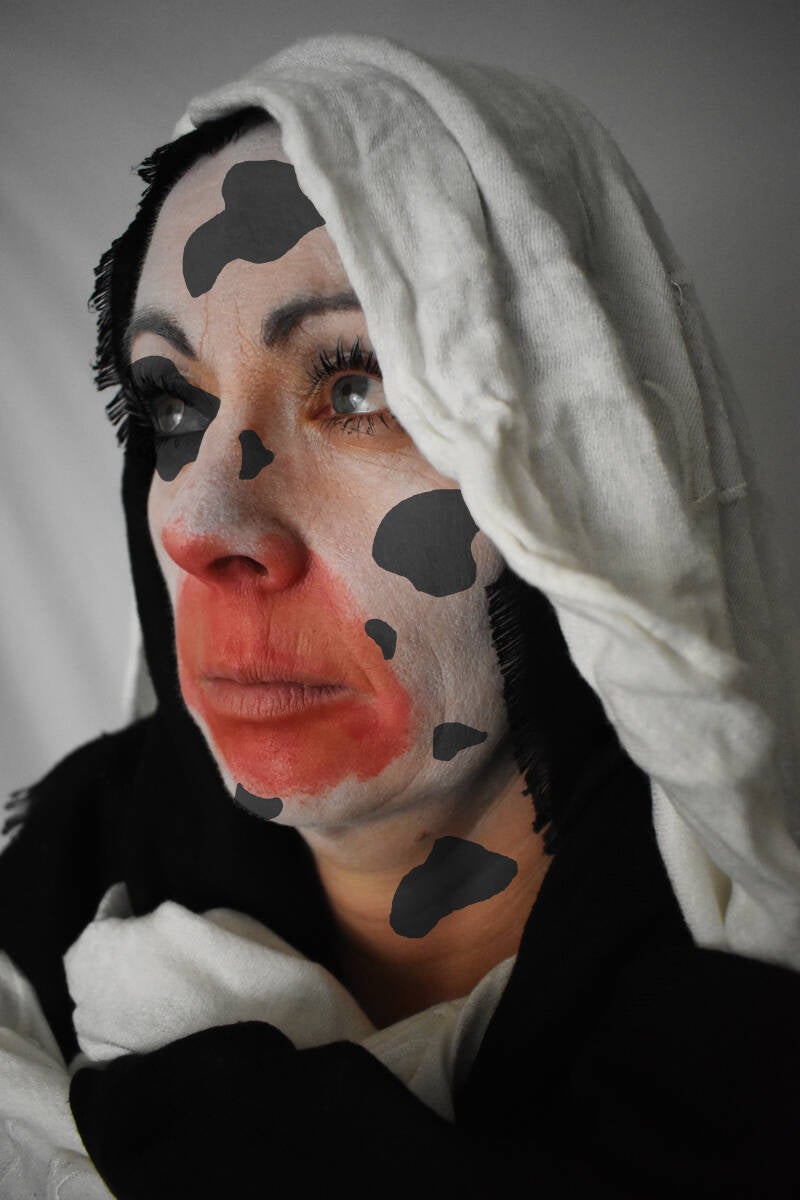
The quotation also introduces irony. It takes a statement about women being reduced to animals and makes that reduction physically visible on the woman’s face. Instead of simply reading about objectification, the viewer sees it happening.
Women are frequently described using animal terminology—sometimes affectionately, sometimes insultingly, sometimes to describe their appearance, behaviour or perceived usefulness. The final photographs challenge this reduction.
The woman is visibly human. But her face has been altered so that the viewer begins to read her as something else. That creates an uncomfortable contradiction: We know she is a person, but the image encourages us to categorise her as an animal.
Add comment
Comments